
MedServe Insights
Stay up-to-date with the latest information on narcotic storage, medication management, and best practices for medical inventory management.
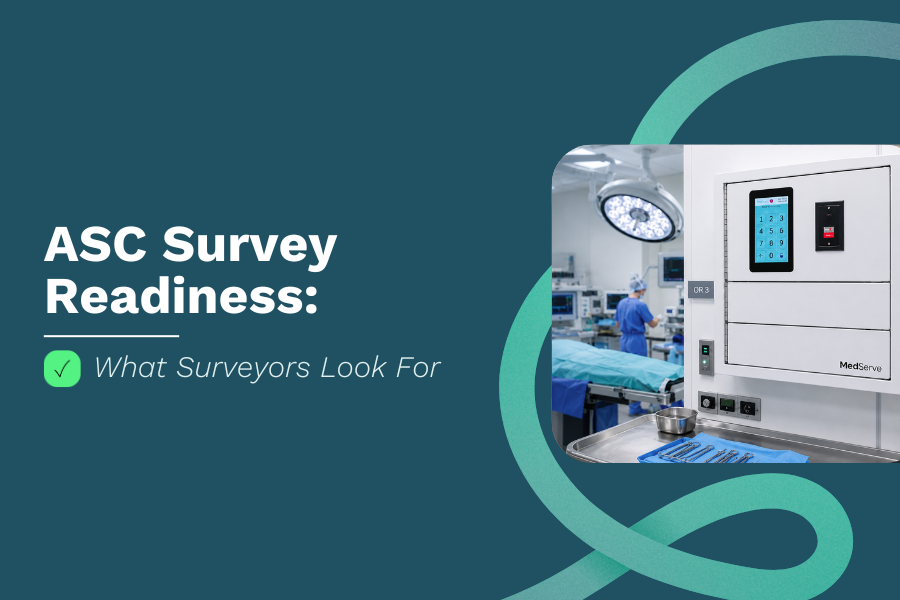
ASC Survey Readiness: What Surveyors Look For
Survey readiness isn't something to think about only when an inspection is scheduled. Learn what ASC surveyors review most, where common findings occur, and how to build everyday processes that keep your surgery center prepared year-round.
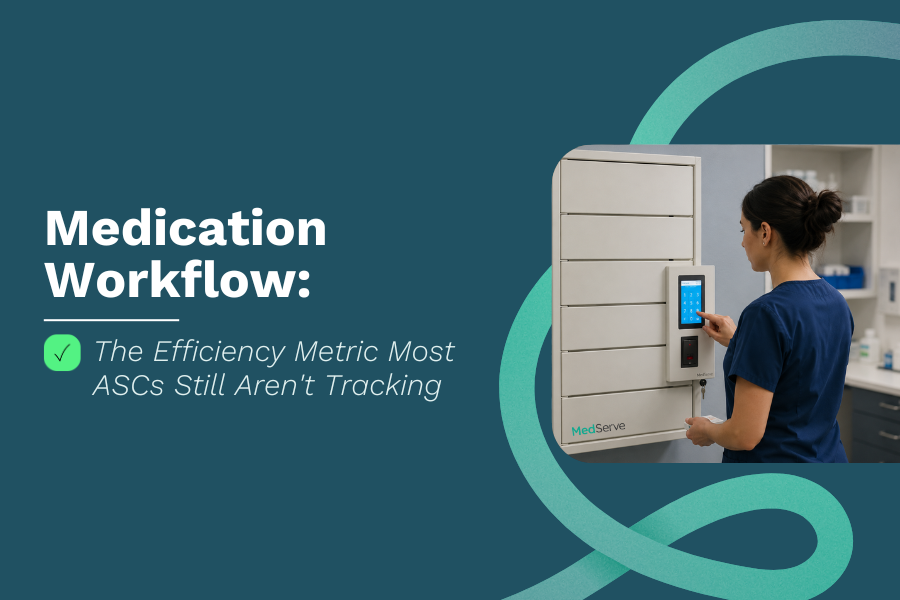
Medication Workflow: The Efficiency Metric Most ASCs Still Aren't Tracking
Your ASC has scheduling and turnover down to the minute, but medication management rarely gets the same scrutiny. From the walk to the medication room to end-of-day reconciliation, small inefficiencies quietly add up across every shift. Here's where the time actually goes, and the questions worth asking to find out how much it's costing your center.
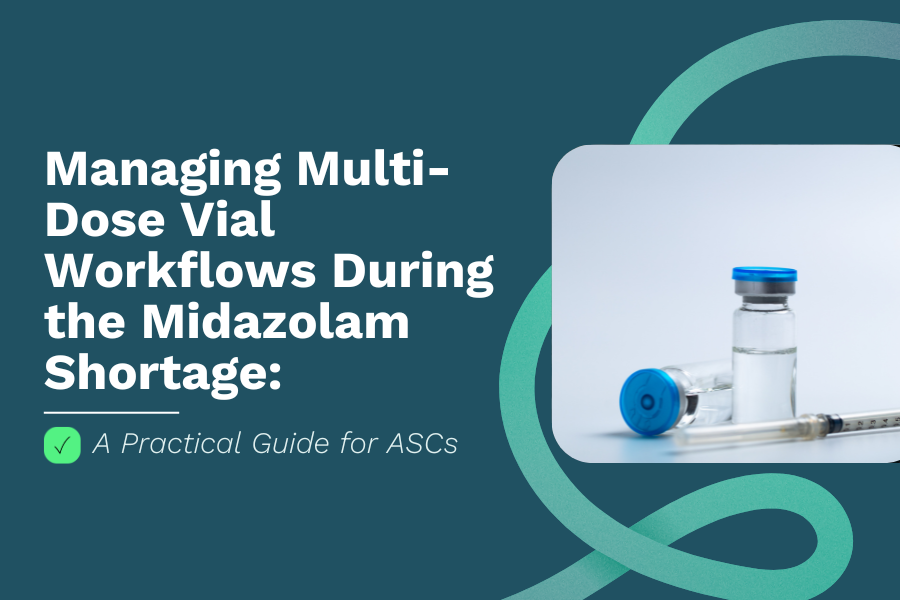
Managing Multi-Dose Vial Workflows During the Midazolam Shortage: A Practical Guide for ASCs
The midazolam shortage is putting real pressure on surgery centers. This step-by-step workflow guide walks ASC teams through multi-dose vial management — from secured storage to end-of-day waste — so you can extend your supply without compromising accountability.

Case Delays Are Costly: The OR Disruption Nobody Talks About
Prior authorization denials are a scheduling problem and a controlled substance accountability problem. When a case gets canceled after medications are already in motion, the documentation gap doesn't close itself - and most manual workflows weren't built to handle it.
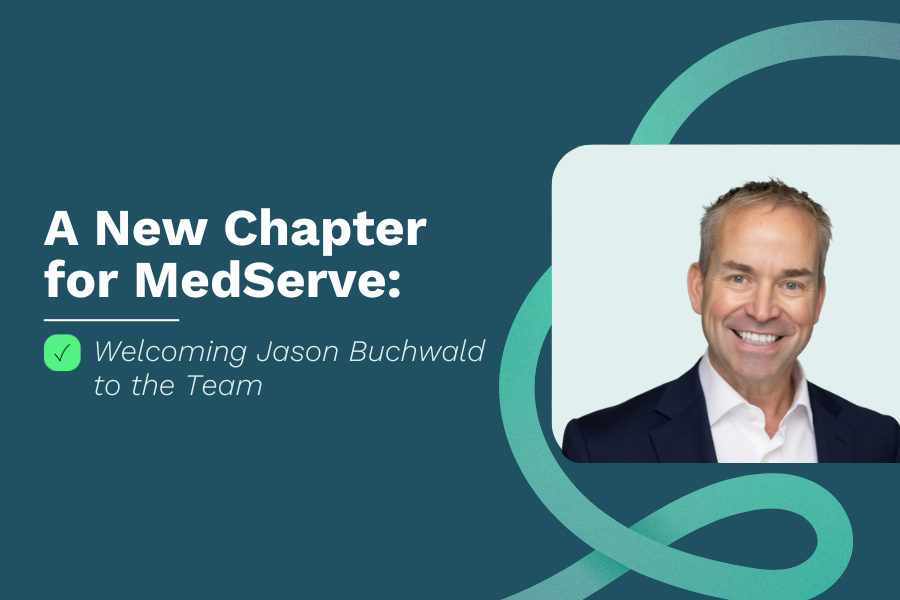
Leadership Built Around ASC Workflows: Welcoming Jason Buchwald to MedServe
MedServe recently welcomed Jason Buchwald as President and Chief Commercial Officer. With more than 25 years of experience in healthcare and medtech — spanning medication management, infusion, dispensing, and outpatient clinical workflows — Jason brings a perspective that is deeply grounded in the operational realities surgery centers face every day.

Pain Management Has Changed: Can Your Workflows Keep Up?
ASCs have modernized pain management protocols. The question is whether the operational infrastructure behind those protocols has kept up.
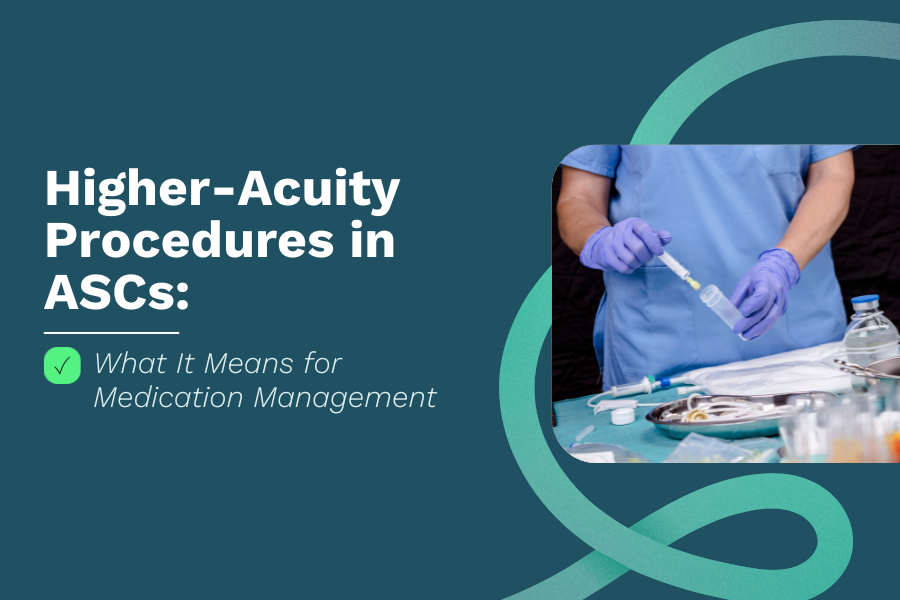
Higher-Acuity Procedures in ASCs: What It Means for Medication Management
Higher-acuity procedures are moving into ASCs faster than most centers have updated their medication management processes. Here's what that gap looks like and what it takes to close it.
The Documentation Gap: How New CMS Requirements Expose ASC Compliance Risk
As CMS expands pre-service review and prior authorization requirements, ASCs are facing increased documentation demands earlier in the workflow. For centers still relying on manual processes, this shift is exposing new compliance risks that are difficult to manage at scale.

ASC Spending Is Up Nearly 16%: What It Means for Your Center
MedPAC's March 2026 Report to Congress is out — and for ASC leaders, the numbers are hard to ignore. Medicare spending on ASC services grew nearly 16% from 2023 to 2024, driven by high-acuity case migration, specialty expansion, and loosening regulations. Here's what that growth means for your center.
Patient Safety Awareness Week: A Time to Reflect on Medication Safety
Medication errors harm at least 1.5 million patients in the United States each year. During Patient Safety Awareness Week, it is an important reminder for ambulatory surgery centers to examine how medications are stored, tracked, and documented to support safer care.

A Policy Shift With Operational Consequences: What the NOPAIN Act Expansion Means for Your ASC
The NOPAIN Act expansion isn't just a reimbursement update — it's an operational shift. Discover how a medication inventory management system helps ASCs accurately document non-opioid usage, support claims data, and stay ahead of compliance requirements.

High-Acuity Procedures Are Coming to Your ASC: Is Your Controlled Substance Management Ready?
Ambulatory surgery centers are taking on more complex procedures than ever - total joint replacements, spine surgeries, cardiovascular cases. But with high-acuity procedures comes a significant increase in controlled substance use and compliance risk. Here's what your ASC needs to know about evolving your medication management infrastructure.

Hospital Expectations Are Moving into ASCs: What That Means for Staffing and Compliance
As more complex procedures move from hospitals into ASCs, staffing expectations and compliance requirements are changing. Here’s what ASC leaders need to know.
Narcotic Diversion Uncovered: How a Medication Inventory System Detected Narcotic Theft
A Florida hospital's medication inventory system uncovered a four-month narcotic diversion scheme. Here's what healthcare leaders need to know about prevention.
What the 2026 ASC Final Payment Rule Means: Implications for Your Surgery Center
The 2026 ASC Final Payment Rule goes beyond reimbursement. As procedures grow more complex and oversight increases, ASCs must strengthen documentation, audit readiness, and medication accountability. Learn how medication inventory management software helps centers prepare for 2026 with confidence.
Navigating Disruption in Health Systems: Why Outpatient Care Needs Smarter Medication Management
As care continues to shift into outpatient settings, health systems face growing risk, complexity, and cost pressure. Medication inventory management software helps bring visibility, consistency, and accountability to decentralized medication workflows.

Controlled Substance Risk: What a Recent Investigation Reveals About Paper Log Vulnerabilities
A recent investigation exposed how paper log gaps can lead to controlled substance diversion. Learn how outpatient facilities can strengthen workflows and reduce risk with modern, traceable documentation.

Matthew J. Cordio Returns as Chief Executive Officer of MedServe
MedServe has realigned its executive leadership to support its next phase of growth in medication management. Matthew J. Cordio returns as Chief Executive Officer, while Alexander Yampolsky, PharmD moves into the new Chief Clinical Officer role, reinforcing MedServe’s commitment to clinical excellence, patient safety, and operational efficiency.

Telemedicine & Controlled Substances: What ASCs Must Know in 2026
With new DEA telemedicine rules on the way, ASCs need accurate, digital controlled substance logs to stay compliant, efficient, and audit-ready.

5 Myths About Narcotic Diversion Every ASC Needs to Stop Believing
Too many ASCs believe myths about narcotic diversion. Discover the truth and see how smarter systems close compliance gaps.